AI and Virtual Design: Shaping the Future of Construction
Welcome to the exciting intersection where smart technology meets the construction sector. At WBI Construction, we blend traditional craftsmanship with innovative solutions to transform your vision into reality. We serve Central and Northern New Jersey with a commitment to your total satisfaction.
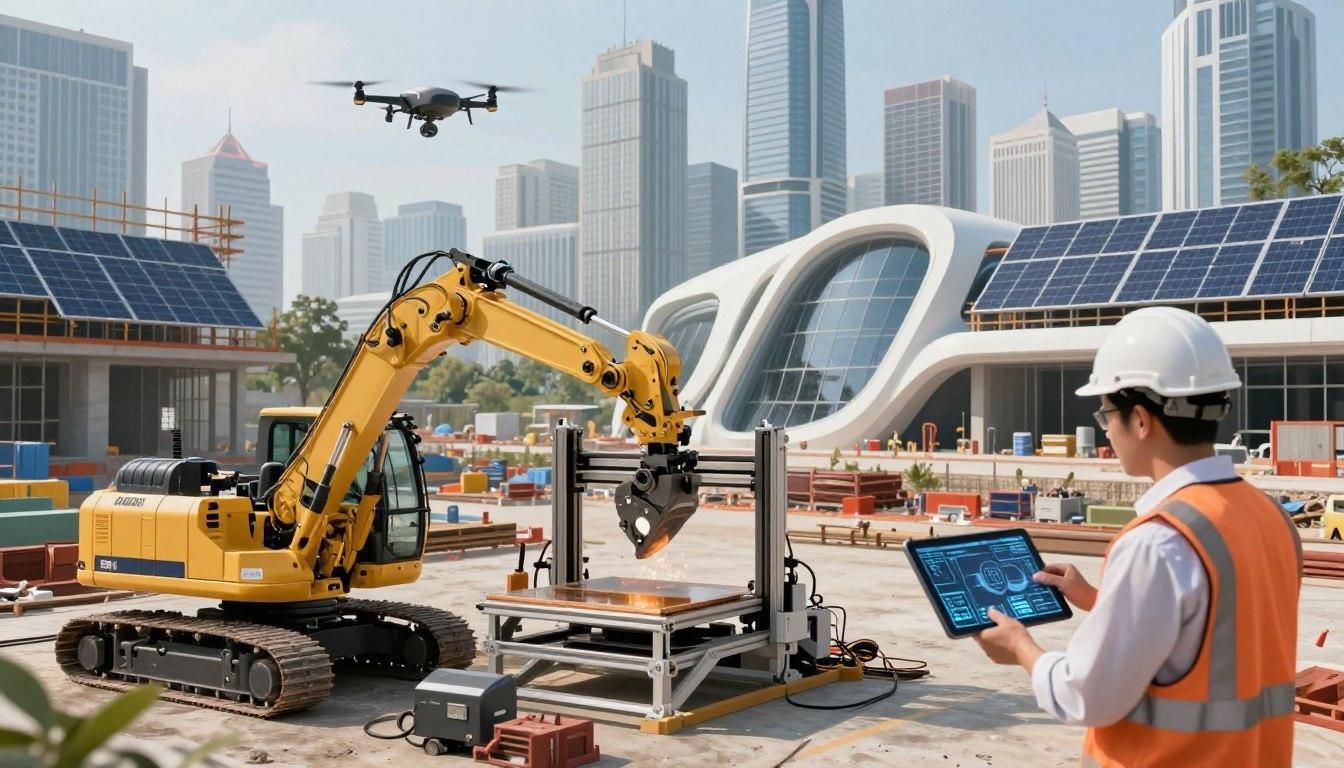
The global construction industry is evolving rapidly through modern machine learning. Experts at Mordor intelligence predict this market will reach $11.85 billion by 2029. Using real-time data to uncover patterns helps us work much faster on complex projects
Modern tools are not just science fiction; they offer practical ways to plan future construction and lower global carbon emissions. Since this industry creates significant waste, using intelligence helps us build future construction with a smaller footprint. Efficiency is now the standard for every modern site.
By adopting AI in construction, we do not replace our skilled craftsmen. Instead, we give them better data and technology to improve safety. These tools help our construction teams overcome labor shortages while maintaining high quality.
We want to show you how these construction steps lead to better construction results. Our family-owned business follows strict construction codes. We ensure every construction job meets your budget while upholding premium construction standards for every construction client.
Key Takeaways
- The market for smart building tools will reach $11.85 billion by 2029.
- Advanced systems help reduce carbon emissions and building waste.
- Machine learning provides real-time insights and predicts project outcomes.
- Innovation supports human expertise rather than replacing skilled workers.
- New tools effectively address labor shortages and rising material costs.
- Virtual design improves safety and planning for residential and commercial projects.
Understanding AI in Construction: The Technology Revolutionizing the Industry
Many people wonder how artificial intelligence actually fits into the world of hard hats and heavy machinery. At WBI Construction, we believe in educating our clients about their options and the technology shaping modern building. We want to help you understand how these innovations can benefit your specific project needs.
What Is Artificial Intelligence and Why It Matters for Construction
Artificial intelligence is a tool that mimics human thinking by reviewing massive amounts of information. It recognizes patterns and provides recommendations that help professionals work much faster. In the construction industry, this means using computers to handle tasks that once required hours of manual calculations.
"The field of study that gives computers the ability to learn without explicitly being programmed."
Arthur Samuel
This technology is vital because it helps us predict accurate timelines and improve safety outcomes. By using smart systems, teams can avoid common mistakes that lead to costly delays. It allows human experts to focus on the craftsmanship that defines high-quality work.
Machine Learning, Deep Learning, and Neural Networks Explained
Machine learning is a subset of AI where systems learn from experience. These systems improve over time without a person programming every specific scenario. This is very similar to how a veteran construction professional develops intuition after years of hands-on field work.
Deep learning takes this a step further by using artificial neural networks to solve problems. These systems model the human brain's ability to process complex information through interconnected nodes. This allows a computer to analyze data and extract maximum value from thousands of building specifications.
| Feature | Machine Learning | Deep Learning |
|---|---|---|
| Complexity | Solves simple tasks | Handles complex problems |
| Human Input | Needs more guidance | Works with limited help |
| Data Usage | Standard datasets | Massive information sets |
The Data-Driven Revolution: Why AI Is Taking Off Now
The industry is seeing a revolution now because of massive increases in computing power. New algorithms follow precise steps to analyze data and help teams make better decisions. Affordable cloud storage now allows us to keep the huge sets of data that AI needs to function.
This data-driven shift changes the construction process from reactive to proactive. Instead of fixing problems as they arise, we can now anticipate them before they happen. Using historical data allows us to optimize material selection and keep your budget on track.
Skilled professionals use these data insights to reach superior results for every client. These tools support the human experts who make the final decisions on a jobsite. At WBI Construction, we embrace these changes to ensure your project is built to the highest standards.
Transformative Benefits of AI in Construction
Smart technology is no longer just a trend; it is a powerful tool that makes modern building projects safer, faster, and more sustainable. WBI Construction prioritizes your satisfaction and project success by staying within budget and helping you select the right materials. We ensure our work is built to last a lifetime with careful attention to quality and safety at every stage of the process.
Adopting these advanced tools helps the entire construction team deliver better results for homeowners and developers. By using data-driven insights, we can lower total costs while maintaining the highest standards. This approach reduces stress and ensures your vision comes to life exactly as planned.
Improved Safety: Predicting and Preventing Hazards
Site safety is the top priority for any reputable firm. AI algorithms use computer vision to analyze video from onsite cameras and spot hazardous conditions instantly. This technology detects unsafe practices, such as if workers fail to wear protective gear or operate machines incorrectly.
By identifying these issues early, we can prevent accidents before they happen. Constant monitoring creates a more secure environment for everyone involved in the construction project. This proactive stance keeps the site running smoothly and protects our most valuable asset: the people.
Cost Reduction Through Smart Estimating and Real-Time Monitoring
Traditional methods of estimating are often slow and cannot keep pace with fluctuating market cost factors. AI tools are fast and precise, leveraging past data to create on-target estimates that act as a solid foundation. These accurate predictions help keep projects within budget while protecting profit margins.
Real-time monitoring allows for quick adjustments if the cost of materials changes during the build. This precision helps reduce overall project costs and prevents financial surprises later. You get a clear picture of your spending from the very first day.
Boosting Productivity: Getting More Done in Less Time
High productivity means finishing projects faster without sacrificing the quality of the work. AI handles time-consuming tasks like materials takeoffs and scheduling optimization. This frees up workers and managers to focus on critical decisions that require human judgment.
By saving time on repetitive administrative work, the team can spend more hours on the actual build. Better organization leads to higher productivity and fewer delays across the schedule. Every hour spent on the site becomes more valuable and effective.
Quality Control: Catching Defects Before They Become Problems
Smart cameras and sensors monitor construction work in real-time to identify defects immediately. This ensures that every component meets the exact specifications required for the project. Catching issues early prevents expensive rework and keeps the project moving forward.
Ensuring quality from the start means the building will be durable and safe for years to come. Quality control automation provides peace of mind for clients who want their investment to last. It is the best way to guarantee a flawless finish on every surface.
Energy Efficiency and Environmental Sustainability
Modern buildings must be kind to both the planet and your wallet. AI analyzes data in real time to predict energy needs and optimize HVAC systems based on weather conditions and room size. This greatly improves energy efficiency and lowers long-term utility costs.
Using these tools helps construction firms meet strict environmental regulations and sustainability goals. Reducing waste and optimizing energy use is a win-win for the owner and the environment. Efficient buildings are simply better buildings for the future.
Predictive Maintenance: Extending Equipment Life
Protecting expensive equipment is vital for avoiding project delays. For example, the Burj Khalifa in Dubai uses a smart system to monitor 57 elevators and other machinery. It detects tiny changes in vibration or heat that signal a potential failure before it happens.
This predictive maintenance allows teams to schedule repairs well ahead of standard schedules. By monitoring equipment health, we prevent sudden breakdowns that could halt construction and blow the budget. Proactive maintenance ensures that the site stays active and workers remain safe.
| Benefit | Impact on Project | Key AI Technology |
|---|---|---|
| Safety | Prevents site accidents | Computer Vision |
| Productivity | Saves time and labor | Automated Scheduling |
| Maintenance | Extends machine life | Predictive Maintenance |
| Efficiency | Lower energy waste | Energy Efficiency Algorithms |
| Real-World Example | Burj Khalifa monitoring | Vibration & Heat Sensors |
Essential AI-Powered Tools and Technologies for Modern Construction
Exploring the latest landscape of smart innovation reveals how high-tech tools are reshaping the way we manage building sites. Our team at WBI Construction carefully evaluates which tools and technologies will deliver the best value for your specific project. We ensure that innovation serves your goals rather than becoming technology for its own sake.
Modern construction companies now use an essential toolkit of AI-powered technologies to improve project outcomes. These autonomous solutions handle routine monitoring and data collection tasks across the field. By using these smart assets, teams can stay focused on high-level craftsmanship and safety.
Predictive Analytics and Intelligence Systems
These systems process historical data and real-time project information to identify hidden patterns. They generate intelligence about potential schedule delays or budget overruns before they actually happen. This foresight allows project teams to take proactive action by analyzing previous data trends.
By identifying potential safety risks or quality issues early, builders can avoid costly mistakes. These platforms turn raw numbers into actionable insights for every stakeholder involved. Having this information helps everyone make faster, more confident decisions during the build.
AI-Powered Drones for Site Surveillance and Progress Tracking
AI-powered drones use aerial photography to inspect work sites and detect unsafe conditions. They use AI software to contrast blueprints with aerial surveys and identify inconsistencies. This technology helps keep projects on schedule while monitoring heavy equipment in real time.
These aerial machines provide a bird's-eye view that was previously impossible to get daily. They track job progress with high-resolution imagery and video for the entire team to see. This continuous stream of updates ensures that the physical work matches the digital plan perfectly.
Natural Language Processing for Construction Documents
Natural language processing (NLP) is the component of AI that understands written and spoken human language. It analyzes construction requirements and creates detailed project scope documents from data found in PDF files. This saves time by replacing manual entry and spreadsheet tasks.
NLP tools can read through construction contracts and building codes to find conflicts. They extract key information that traditionally required hours of tedious manual review. This automation strongly reduces the chance of human error in documentation.
Computer Vision for Safety and Quality Monitoring
Computer vision systems act as tireless digital inspectors on the ground. They use cameras and intelligence to monitor for safety violations like missing hard hats or guardrails. These tools also verify that work meets quality standards by comparing progress to digital models.
By acting as a constant set of eyes, these cameras catch defects before they become permanent problems. They monitor site conditions and confirm that every phase meets strong engineering requirements. This creates a safer and more reliable environment for every worker on the project.
Implementing these tools within existing construction workflows requires thoughtful planning. Successful adoption ensures these technologies complement the established process methods that work well for field teams. Many AI systems are becoming more affordable and user-friendly for construction teams and their equipment.
How AI Works Across Every Construction Phase
From initial project planning to the final handover, AI technology acts as a silent partner that optimizes every decision. At WBI Construction, we guide you through every stage of your project from initial planning through final completion. We focus on educating you about your options and ensuring transparency throughout the entire construction process so you can make informed decisions with confidence.
Preconstruction: Smarter Planning, Design, and Feasibility Studies
The success of any building effort begins long before the first shovel hits the ground. AI algorithms help teams conduct deep feasibility studies by analyzing financial data and environmental impacts. This ensures that the initial design and project planning phases are rooted in reality rather than guesswork.
AI-Driven Risk Analysis and Project Viability
AI evaluates thousands of variables, including site conditions and historical performance. By identifying potential risk early, project management teams can develop strategies to mitigate issues. This makes the overall project much more viable for investors and owners by streamlining planning.
Automated Cost Estimating and Materials Selection
Software can now analyze materials for both durability and cost to help teams make the best selections. Automated systems look at current labor rates and materials costs to generate accurate estimates. This reduces human error and saves significant time during the bidding stage.
Construction Phase: Real-Time Monitoring and Decision-Making
During the active building phase, AI-based predictive analytics keep everything on track. These systems compare actual site conditions against the original design to flag any deviations. This real-time visibility is vital for effective project management and keeping the scheduling accurate for each project.
Supply Chain Optimization and Delay Prevention
Predicting setbacks in the supply chain allows teams to find alternative suppliers before a delay happens. AI monitors transportation conditions to ensure that resources arrive exactly when they are needed. This proactive approach prevents the costly downtime that often plagues large projects.
Resource Allocation and Scheduling Efficiency
Optimizing the deployment of workers and equipment is a complex task. AI algorithms determine the best scheduling to maximize productivity and minimize idle time. By managing resources effectively, the construction timeline stays lean and follows the original design.
Postconstruction: Intelligent Maintenance and Building Performance
The value of AI extends well beyond the day the keys are handed over. Smart systems continue to monitor how a building operates, ensuring long-term maintenance is handled efficiently. This ensures the project remains valuable and functional for years to come.
Continuous Monitoring of Building Systems
AI software monitors energy usage in thermostats and lighting 24/7. It provides real-time recommendations to cut costs and carbon emissions. Predictive maintenance helps forecast the health of machinery, allowing for repairs before a total failure occurs.
Learning from Projects to Improve Future Work
After a project is done, AI algorithms support postmortems to gain deep insights. By looking at completed projects, firms can improve their project planning for the next job. This continuous loop of learning ensures that each new construction effort is better than the last.
| Project Phase | Key AI Application | Primary Benefit |
|---|---|---|
| Preconstruction | Feasibility & Design | Accurate estimates and reduced risk. |
| Construction | Real-time Scheduling | Improved productivity and resource use. |
| Postconstruction | Predictive Maintenance | Longer equipment life and lower costs. |
| Future Projects | Data Postmortems | Better construction results over time. |
Virtual Design and BIM: AI's Game-Changing Role in Construction Planning

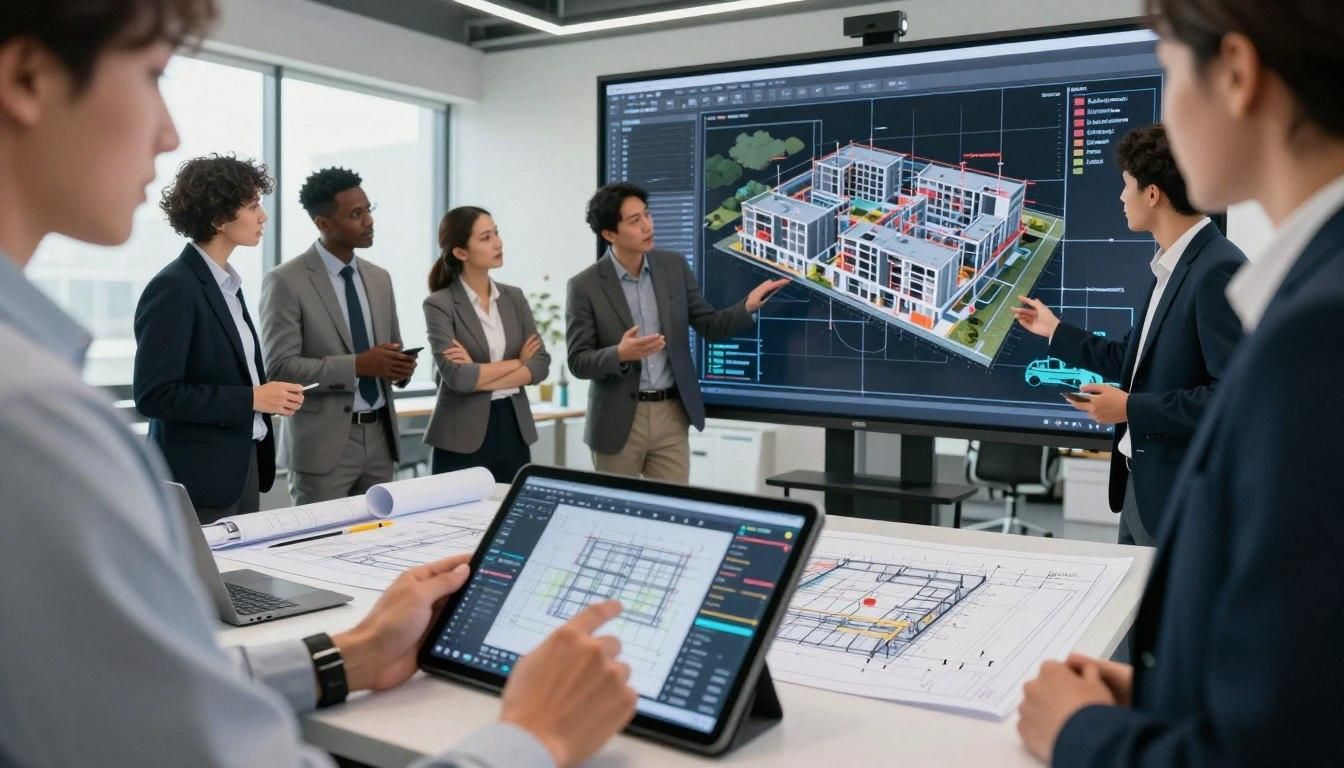
Smart planning starts with a digital twin, where every beam and wire exists in a virtual space before the first stone is turned. Building Information Modeling, or BIM, serves as the digital foundation for modern projects. Every design element is an intelligent 3D object that holds vital data about materials and costs.
WBI Construction uses careful planning and visualization to help clients understand exactly what they're getting before construction begins. This ensures your vision aligns with reality and prevents costly surprises during the building process. Using these solutions creates a comprehensive virtual prototype for better results.
How AI Enhances Building Information Modeling (BIM)
AI supercharges BIM by automatically analyzing these complex digital models to find optimization opportunities. It identifies ways to improve energy efficiency without sacrificing how the structure looks. AI in construction catches subtle details that human reviewers might otherwise miss.
3D Modeling, Design Iteration, and Automated Alternatives
AI can rapidly generate and evaluate dozens of design alternatives based on specific parameters. It explores the full solution space to find configurations that balance cost and structural strength. For example, project teams can request a new design based on sustainability or the project time frame.
These AI-powered models analyze mechanical plans and the sequence of work to increase quality while saving money. They allow owners to see design changes in real-time before committing to a physical build.
Clash Detection and Error Prevention Before Breaking Ground
One of the most valuable tasks for AI is automated clash detection. Algorithms scan the 3D building model to find where different systems might physically conflict. This prevents issues like ductwork running through structural beams before the mistakes ever reach the jobsite.
Catching these issues during the planning phase saves thousands of dollars in rework. Virtual design allows the team to solve problems digitally where they are easy to fix.
Integration with Mechanical, Electrical, and Plumbing Systems
AI analyzes how MEP systems interact with the building structure and each other. For example, it optimizes routing paths and verifies code compliance to ensure everything fits perfectly. This level of design detail ensures that all components can be easily accessed for maintenance later.
These intelligent ways of working help project teams finish complex tasks while keeping construction on track. By using advanced solutions, you ensure a higher quality outcome for every project phase.
Construction Robotics and Automation: The AI-Powered Workforce
Construction robotics serve as the physical embodiment of AI in the modern building world. Every intelligent machine utilizes advanced sensors and machine learning algorithms to assist human crews safely. These tools use specific algorithms to handle dangerous tasks with incredible efficiency and speed.
Look at the MULE robotic lift system as a great example of this machine technology in action. It makes heavy materials feel weightless for workers on active sites by providing mechanical assistance. This work reduces physical risk while boosting productivity by helping team members place heavy materials exactly where they belong.
Some technologies focus purely on data resources rather than physical labor. Auburn University uses "Mac," a robotic machine, to explore construction sites autonomously while taking photos. This machine collects visual resources and helps managers find safety hazards that might otherwise go unnoticed.
Specialized solutions like those from Dusty Robotics or Canvas improve the industry even further. Whether marking floor layouts or finishing drywall, each machine performs work with higher precision than manual methods. These ways of building ensure high-quality results and help keep projects on a strict timeline.
Modern construction robots are designed to support human talent rather than replace it entirely. This machine-assisted approach allows managers to handle severe labor shortages effectively and safely. By offloading tedious work, workers can focus their work energy on complex building tasks that require human judgment.
Construction managers must plan carefully when adding a new machine to their active fleet. They need to manage battery energy, equipment storage, and specialized team training sessions. While upfront costs are a factor, the long-term productivity gains and energy savings often justify the investment in these technologies.
While WBI Construction embraces every helpful machine innovation, we never forget that skilled craftsmanship and personal attention are what truly transform your vision. Our trusted team provides the care needed to build a reality that lasts a lifetime. This machine learning era brings industry change, but our dedication to excellence remains the heartbeat of our business.
Frequently Asked Questions About Shaping the Future of Construction
How do smart systems improve project management?
Managers use digital tools to track tasks and resources across the job site. These solutions help team members stay on scheduling tracks by updating progress daily. You can lower costs by spotting small issues early. Software like Procore helps keep the overall work flow smooth and clear.
What role does predictive maintenance play for heavy equipment?
Smart algorithms watch how a machine works to find wear and tear. They alert workers before a break happens during a shift. This saves time and expensive materials throughout the building process. Large brands like Caterpillar use this tech to keep fleets running without stops.
How does machine learning software help with project planning?
Digital intelligence looks at old projects to find patterns from the past. It helps create better design paths for a new building structure. This technology makes tough decisions faster for every single project a firm starts.
Why should firms analyze data from sites?
Collecting data improves safety for everyone on the team. It shows high risk areas across the whole work zone. By looking at facts, you increase efficiency and productivity while reducing errors.
What will future construction look like?
New ways of building will use less energy to protect the climate. Autodesk software will find many design options quickly to save time. This shift changes the industry by saving cost and protecting the Earth for years.
Are there any technologies that assist workers directly?
Yes. One example is Boston Dynamics and their robot dog, Spot. It walks through sites to find risk points or take photos. It collects data without putting humans into danger or harsh spots.